


Bullet Echo: PVP Shooter
4.620.44K Reviews
App Specs
- Version
- 7.13.3
- Updated On
- License
- Free
- Downloads
- 10,000,000+
- Developer
- ZeptoLab
- Categories
- Action
- Platform
- Android, iOS
Screenshots
 Analysis by AppCompare
I like mobile shooters most when their controls make sense on a small screen and a match can fit into a spare moment. Bullet Echo caught my attention because it makes awareness and positioning feel as important as aiming. Its compact, top-down battles create a tense kind of action: I’m not just looking for opponents, but trying to work out where they might be and whether moving now is worth the risk.
That focus gives the game a distinct identity among action games. It’s free to start, though optional in-app purchases range from $0.29 to $299.99 per item, so I’d go in expecting a game with paid extras rather than assuming every part of progression is entirely purchase-free. The Teen rating is also worth noting if you’re choosing a game for a younger player.
How the match experience works
The basic appeal is easy to grasp, but the decisions inside a match take more care. Bullet Echo is a tactical multiplayer shooter from ZeptoLab, built around short encounters where sightlines, cover, and timing matter. Instead of treating every meeting as a cue to fire immediately, I get more out of pausing long enough to read the situation. A noisy or exposed approach can give away my position; a cautious route may buy time, but can also leave my team out of place.
That makes it a good fit for players who enjoy learning through small decisions rather than mastering a complicated control scheme first. The game has an average rating of 4.5 from around 809,000 ratings, and it has passed 10 million installs. Those figures suggest a well-established audience, but they don’t tell me whether its particular mix of stealth, teamwork, and shooting will suit someone who mainly wants a straightforward action game.
Readable screens and a short learning curve
The first thing I noticed was the intuitive design. Navigating through the menus and options was a breeze, and the tutorial was short but sweet. It got me up to speed without feeling like I was drowning in information. The controls are smooth, and the learning curve is just right – challenging enough to keep you engaged without being frustrating.
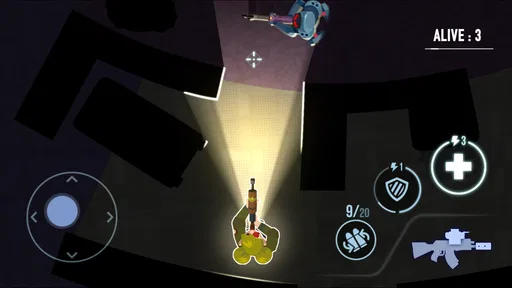
The visual style helps keep the action legible without aiming for realism. The game is built for a phone display, and its top-down perspective gives me a useful overview of nearby routes and cover. Still, a clean presentation doesn’t make every encounter effortless to read: when several things happen at once, I have to keep track of movement, the environment, and audio cues together. I’d recommend starting with the tutorial and a few low-pressure matches rather than expecting to understand every tactical choice immediately.
Motor and sensory demands
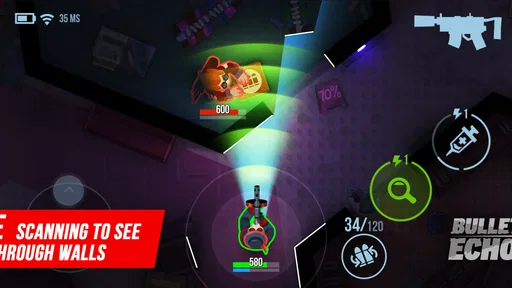
The sound effects are top-notch, enhancing the immersive experience. Every footstep, gunshot, and whisper of the wind adds to the tension. I found myself leaning in, listening closely for any sign of movement, which is both thrilling and nerve-wracking.
Worth Reading Before You Choose

EA SPORTS FC Mobile 26 Is a Bigger Football Game, but It Takes Time

Flipboard Shows What News Apps Must Do Beyond the Feed

Switching to Android Auto Means Rethinking Your Driving Routine

Google Calendar Makes a Crowded Week Easier to Manage

Ludo King Makes the Most of the Minutes Between Plans

Baby Panda World Brings Quick Play to Modern Phones, but Its Game Library Feels Busy
That reliance on sound is a meaningful part of the design, not just decoration. It rewards players who can comfortably listen while watching the screen, but it may be less welcoming in a noisy room, on public transport, or for someone who prefers to play with sound off. I’d use headphones when the setting allows, then rely more on careful movement and the visible layout when it doesn’t. I wouldn’t treat audio awareness as an optional extra if I wanted to play competitively.
On the motor side, this is still a shooter: movement and aiming need attention at the same time, and a tense encounter can demand quick adjustments. The controls felt manageable to me, but comfort will vary with screen size, grip, and dexterity. A short session is a sensible way to see whether the touch controls suit your hands before investing time in longer play. If precise, fast input is uncomfortable for you, the game’s tactical pace may help somewhat, but it won’t remove the need to control a character under pressure.
Team choices, tactics, and useful habits
One cool feature is the team-based strategy. You can team up with friends or go solo, but either way, communication is key. The game encourages you to strategize, plan your moves, and work together to take down opponents. It’s a refreshing change from the typical run-and-gun approach of other shooters.
A practical habit I found useful is to treat cover as a decision point, not merely a place to wait. Before crossing an open stretch, I try to consider what information the move might reveal and whether a teammate can support it. When playing with friends, agreeing on a simple plan before a round—such as moving together rather than splitting up—can make coordination less frantic. This doesn’t require elaborate voice chat; the important part is avoiding the assumption that everyone has the same idea at the same time.
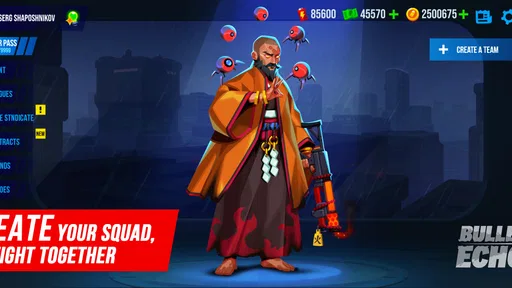
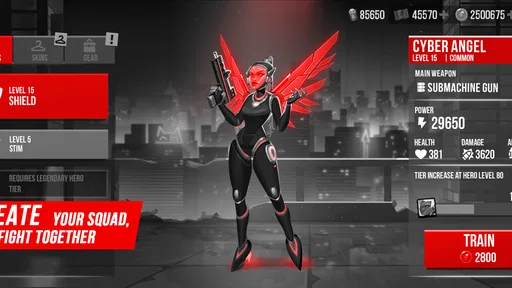
Hero choice also gives a match a different texture. The game presents distinct character styles, from stealthier options to tougher frontline choices, so I’d pick based on the way I actually like to contribute rather than chasing a supposed universal best. If I’m still learning, a role that lets me stay near teammates and understand the map can be more useful than one that tempts me to roam alone. Switching heroes can be a way to learn what the team needs, though it also means I shouldn’t expect one comfortable approach to solve every situation.
The short rounds make experimentation less costly. I can try a more cautious route in one match and a more supportive position in the next, then notice whether I’m helping the team or simply staying out of danger. That distinction matters: survival alone is not always the same as making a useful contribution. For a new player, reviewing one decision after each round—where I moved too soon, or when I lost track of the group—is more actionable than blaming every loss on aim.
Accessibility in everyday settings
The game’s concise tutorial and clear menus reduce the amount of reading and setup I need before getting into a match. That’s helpful if I’m opening it during a break, or if I’m new to tactical shooters and want to learn a little at a time. Its visual style is appealing without being overloaded with realistic detail, although players who need larger text, strong visual separation, or extensive control customization should check how it feels on their own device rather than assume the interface will meet those needs.
Short play sessions are convenient, but multiplayer action is not fully on my schedule: I still need a stable moment to focus, and an interruption during a tense round can affect the experience. I’d choose a quiet break at home over a crowded commute if I wanted to pay attention to sound and coordinate with friends. If I only have a minute or two, another game with pause-friendly solo play may be a better match for that specific situation.
Compared with a conventional run-and-gun shooter, this one asks me to slow down and interpret limited information. Compared with a more deliberate, slower tactical game, it keeps the action compact and easier to sample in brief sessions. That middle ground is its strength, but also its compromise: players who want constant firing may find the careful positioning too restrained, while fans of deep planning may want more time and control than a mobile match offers.
Gameplay and Features
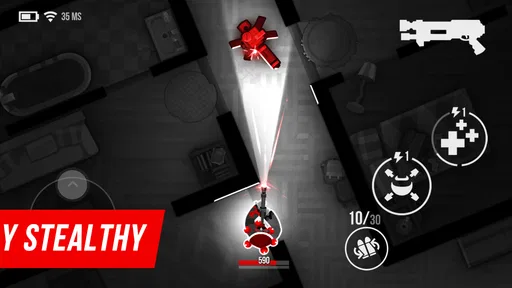
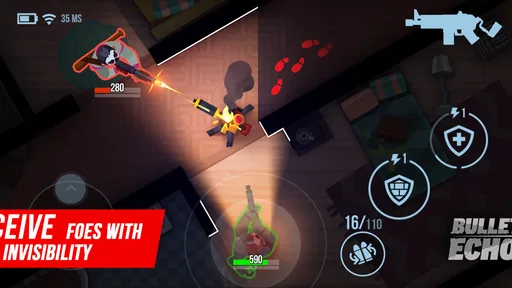
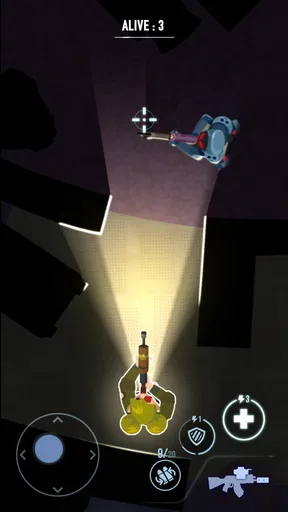
Now, let's talk about the gameplay. The matches are quick, typically lasting no more than five minutes, which makes it perfect for a quick gaming session on the go. The map design is clever, with plenty of nooks and crannies to hide in, and the dynamic lighting adds a layer of suspense. You never know when an enemy might emerge from the shadows.
That brisk format is especially useful when I have a short break and want a complete round rather than a long campaign commitment. It can also make losses feel sharp: there may be little time to recover from an early mistake, so I try not to let a rushed opening dictate the rest of my play. I’d avoid starting a match when I know I’ll need to put my phone down at any moment; a short round is still a multiplayer commitment while it’s underway.
There’s a useful trade-off between being aggressive and preserving information. Rushing may create an opening, but it can expose me before I understand who is nearby. Moving carefully gives me a better chance to interpret the map, but waiting too long can leave teammates without support. I don’t think there’s a single right pace for every encounter, which is why adapting to the team and the immediate situation matters more than repeating one tactic.
The Strategy Element
What sets Bullet Echo apart is the emphasis on strategy. It’s not just about shooting everything in sight. You have to think on your feet, adapt to changing situations, and use your environment to your advantage. The limited visibility forces you to rely on sound and instinct, adding an extra layer of challenge.
I found myself constantly adjusting my tactics based on the heroes in my team and the layout of the map. This keeps the game fresh and exciting because no two matches are ever the same. It’s like a chess game with guns – every move counts, and one wrong step could mean the end.
For a practical example, if I’m playing with a friend after work, I’d use the first round to get a feel for how we naturally move: one of us may want to scout while the other prefers to stay close. In the next round, we can make that difference intentional instead of accidentally separating. For solo play, I’d focus on reading the team’s direction and avoid treating every available route as an invitation to explore. These small adjustments give the strategic side room to matter without requiring a long planning session.
The game is less suited to someone who wants a predictable, purely reflex-based duel. There are moments when patience is the better move, and audio or positioning can shape the encounter before anyone fires. If that sounds more tense than enjoyable, a conventional arcade shooter may be a better choice. I also wouldn’t recommend it as a relaxed background game: its best moments come when I can give the match my attention.
Graphics and User Interface
The graphics are sleek and stylish, with a cartoonish flair that adds to the game’s charm. They’re not hyper-realistic, but that’s part of what makes the game so appealing. It’s visually engaging without being overwhelming, which is perfect for mobile gaming.
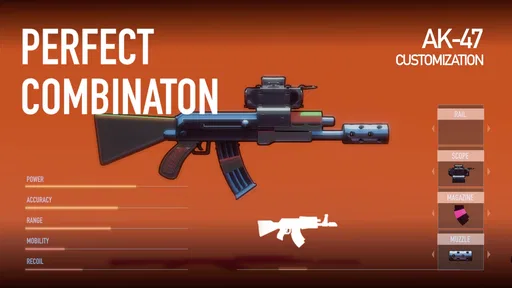
The user interface is clean and straightforward. I never felt like I was fumbling through menus or missing important information. Everything is laid out clearly, which makes managing your hero and equipment a breeze.
For anyone deciding whether to install it, the basics are straightforward: it is a free action game, its current version is 7.8.2, and it requires Android 6.0 or later. I’d still leave room for storage and check that the device feels comfortable in hand, especially if I expect to play several rounds in one sitting. The game is also available on iOS, so the choice need not be limited to Android, though the experience should be judged on the device I plan to use.
Paid items are a separate consideration from the free entry point. I’d play enough to decide whether I enjoy the match loop before spending anything, and set a personal limit if I’m prone to impulse purchases. The listed item range extends from $0.29 to $299.99, a wide spread that makes it worth checking each purchase carefully rather than assuming all optional items cost about the same.
Who will enjoy it, and who may not
I’d recommend it to someone who likes mobile action but wants more than quick reflexes: players who enjoy reading a map, cooperating with friends, and making small tactical choices can get a lot from its compact format. It also suits someone curious about multiplayer shooters who would rather learn through short rounds than commit to a long single-player campaign. ZeptoLab has built a game with enough tension to make even a brief session feel purposeful.
I’d steer away from it if I wanted offline solo play, a pause button for unpredictable interruptions, or a shooter where sound and team coordination are irrelevant. The tactical pressure may also be frustrating for anyone who dislikes being punished for a hurried move. Its average rating is 4.5, and roughly 20,000 written reviews offer a substantial pool of player feedback, but neither popularity nor review volume can predict whether the controls and sensory demands will work for me personally.
Final Thoughts
So, is Bullet Echo worth your time? In my opinion, absolutely. It’s a game that combines strategy, teamwork, and fast-paced action in a way that’s both exhilarating and satisfying. Whether you’re a hardcore gamer or just looking for something fun to pass the time, this game has something to offer.
With its engaging gameplay, clever design, and strategic depth, Bullet Echo is a standout in the world of mobile shooters. It’s a game that I find myself coming back to time and time again, and I bet you will too once you dive into its thrilling world.
My recommendation comes with a clear caveat: it works best when I can listen, focus, and accept that not every match will reward an aggressive approach. I appreciate that its basic navigation is approachable, while its actual play asks for judgment and teamwork. For a player who wants short, tense sessions and can comfortably manage the sensory and touch demands, it’s an appealing free download. For someone seeking quiet, interruption-proof, or fully solo entertainment, I’d choose something else.
Pros
- Intuitive controls make gameplay easy to learn.
- Unique stealth mechanics add strategic depth.
- Variety of heroes with distinct abilities.
- Quick matches ideal for short play sessions.
- Regular updates keep content fresh and exciting.
Cons
- Limited map variety can feel repetitive.
- In-app purchases may affect game balance.
- Some connectivity issues during matches.
- Graphics may not appeal to all players.
- Occasional lag can disrupt gameplay.
FAQs for Bullet Echo: PVP Shooter
What is the main gameplay of Bullet Echo?
Bullet Echo is a tactical team-based shooter game where players engage in strategic battles using stealth and skill. The game focuses on team cooperation, with a top-down view that limits visibility, encouraging players to rely on sound cues and strategic positioning to outsmart opponents.
Is Bullet Echo free to play?
Yes, Bullet Echo is free to download and play. However, it includes in-app purchases that allow players to buy cosmetics, upgrades, and other enhancements. These purchases can enhance the gaming experience but are not necessary to progress or enjoy the game.
What devices are compatible with Bullet Echo?
Bullet Echo is available on both Android and iOS platforms. It requires a stable internet connection and is compatible with most modern smartphones and tablets. Players should ensure their device meets the app’s minimum system requirements for optimal performance and gameplay experience.
Does Bullet Echo support multiplayer mode?
Yes, Bullet Echo is designed for multiplayer play. Players can team up with friends or join matches with other players worldwide. The game emphasizes teamwork, with different character classes that must work together to achieve victory against opposing teams.
Are there different character classes in Bullet Echo?
Bullet Echo features a variety of character classes, each with unique abilities and roles. Players can choose from heroes like snipers, tanks, and scouts, each offering distinct advantages. Understanding each class’s strengths and weaknesses is crucial for team strategy and success in battles.


